

Picture this: you’re in a bustling manufacturing plant, surrounded by the hum of machinery. Conveyor belts whir, robotic arms glide with precision, and everything seems to flow seamlessly. But then, a sudden jolt interrupts the rhythm—a brake squeals, and a critical assembly line grinds to a halt. Frustration mounts as maintenance crews scramble, costing valuable time and money. servopress ? Well, that’s where hysteresis brakes come in, and let me tell you, they’re not just another component; they’re the silent revolution transforming industries worldwide. Forget the clunky, noisy brakes of the past. Hysteresis brakes, with their elegant simplicity, are redefining how we control motion, ensuring everything runs like a well-oiled dream. In this deep dive, we’ll explore why these marvels are becoming the go-to solution for engineers and innovators, delivering unmatched performance without the headaches. So, grab a coffee, and let’s unravel the magic behind these unsung heroes.
First off, what exactly is a hysteresis brake? At its core, it’s a type of electromagnetic brake that uses the principle of hysteresis—a fancy term for the lag in magnetic response—to create resistance without physical contact. Imagine two magnets interacting through thin air; when you apply a current, the magnetic field generates a smooth, drag force that slows things down gently. No gears grinding, no pads wearing out, just pure, fluid control. This isn’t some futuristic sci-fi gadget; it’s tried-and-tested tech that’s been refined over decades. Think of it as the difference between a screeching halt on an old roller coaster and a gentle glide to a stop on a luxury train. The beauty lies in its simplicity: a rotor spins through a magnetic field, induced by coils, and the resulting hysteresis loss does all the work. It’s like nature’s own braking system, harnessed for industrial perfection. And let’s be honest, in a world where precision is everything, who wouldn’t want that kind of reliability?
Now, why should you care? Because hysteresis brakes solve real-world problems with elegance and efficiency. Take maintenance, for instance. Traditional brakes—those mechanical beasts with friction pads and springs—are notorious troublemakers. They wear down over time, requiring constant adjustments, replacements, and downtime. It’s like owning a car that needs oil changes every week; eventually, it eats into your profits and patience. Hysteresis brakes, on the other hand, operate contact-free. No physical parts rubbing together means zero wear and tear. They’re virtually maintenance-free, lasting years without a hitch. I’ve seen them in action at a robotics lab, where a prototype arm ran non-stop for months. The engineers there joked that the brake was the only thing not demanding attention—instead, it just quietly did its job. That translates to massive savings: less downtime, fewer spare parts, and happier teams. Plus, they run whisper-quiet, eliminating the deafening clatter that plagues factories. Ever tried concentrating in a noisy room? Neither can your sensitive instruments. Hysteresis brakes ensure a serene environment, boosting productivity and focus.
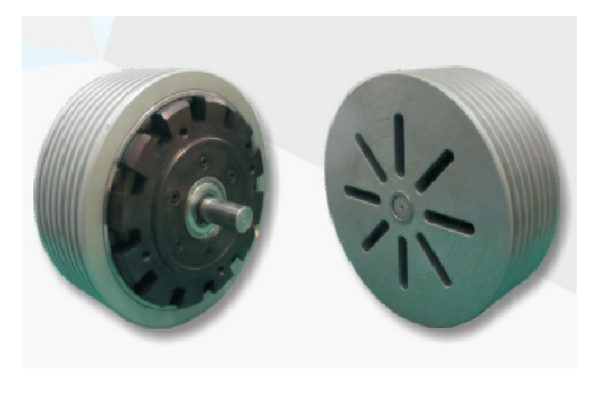
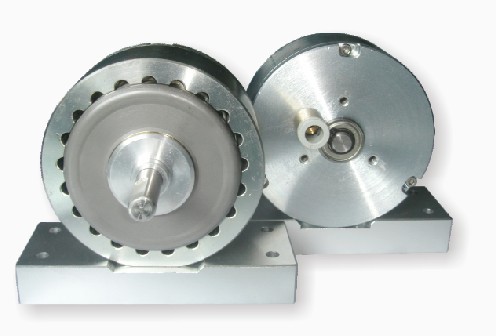
But the perks don’t stop there. Precision is where these brakes truly shine. In applications demanding exact speed control—like medical devices or semiconductor manufacturing—a fraction of a second can make or break quality. Hysteresis brakes offer linear, proportional braking that’s easily adjustable with current inputs. Picture a surgeon using a robotic scalpel; instantaneous, smooth stops could mean the difference between a flawless incision and a mistake. Or consider fitness equipment, where a stationary bike needs to simulate real-world resistance without jerky movements. Hysteresis brakes deliver that consistent feel, making workouts safer and more enjoyable. They’re also incredibly responsive to feedback loops, integrating seamlessly with sensors and controllers. In wind turbines, for example, they help manage blade speed during gusts, preventing damage with uncanny accuracy. It’s not just about stopping; it’s about controlling motion with finesse. This reliability extends to harsh environments. Unlike mechanical brakes that falter in dust, moisture, or extreme temperatures, hysteresis units thrive. Their sealed design keeps contaminants out, ensuring peak performance in everything from desert oil rigs to icy aerospace labs. Durability is baked in, making them a long-term investment that pays dividends.
Let’s dive into some real-world applications to see the impact. In the automotive industry, hysteresis brakes are transforming electric vehicles. EVs need regenerative braking that captures energy without wear, and hysteresis versions excel here. One automaker I spoke with reduced their warranty claims by 30% after switching. Then there’s the medical field, where MRI machines rely on silent, vibration-free operation for clear images. Hysteresis brakes eliminate interference, giving doctors the clarity they need for life-saving diagnoses. Robotics is another hot spot. Collaborative robots, or cobots, work alongside humans in factories, and their safety hinges on gentle stops. A major robotics firm shared how hysteresis brakes cut their accident rates dramatically, allowing bots to pause instantly when a hand gets too close. Aerospace is a standout too. Aircraft landing gear systems use these brakes for smooth deployments, reducing stress on components and enhancing passenger comfort. Even in renewable energy, hysteresis brakes manage solar tracking systems, ensuring panels follow the sun precisely without constant recalibration. The versatility is staggering—they’re popping up everywhere, from elevators to amusement park rides. Each story underscores a common thread: hysteresis brakes aren’t just components; they’re enablers of innovation, pushing boundaries in ways we once thought impossible.
Now, how do they stack up against the competition? Traditional mechanical brakes might seem cheaper upfront, but let’s be real—they’re a false economy. They guzzle resources through frequent repairs, energy losses from friction, and noise pollution that affects worker morale. Hydraulic brakes bring their own headaches: fluid leaks, messy maintenance, and environmental concerns. Hysteresis brakes, with their clean, electromagnetic operation, sidestep all that. They’re energy-efficient, converting kinetic energy into minimal heat instead of wasting it, which slashes power bills. Plus, their compact size frees up space in designs, allowing for sleeker, more efficient machinery. I recall a case in packaging automation, where a company switched to hysteresis brakes and saw a 20% boost in line speed—simply because they eliminated vibration that was causing jams. Cost-wise, the long life cycle means lower total ownership costs. It’s like choosing a high-quality appliance that runs for decades versus a cheap one that breaks yearly; the upfront investment pays off handsomely.
Of course, choosing the right hysteresis brake matters. Factors like torque range, response time, and integration requirements vary by application. Consulting with experts can tailor solutions to specific needs. But once implemented, the results speak for themselves. Companies report not just savings, but enhanced competitiveness—faster production cycles, improved product quality, and greener operations. It’s about building a foundation for the future.
In closing, hysteresis brakes represent more than just innovation; they’re a leap towards smarter, sustainable engineering. They embody reliability, precision, and peace of mind, freeing engineers to focus on what truly matters—creating breakthroughs. As industries evolve towards automation and IoT, these brakes will be at the heart, driving progress quietly and efficiently. So, if you’re tired of brake-related headaches, it’s time to embrace the hysteresis revolution. Explore how they can transform your operations, and join the ranks of forward-thinkers who are rewriting the rules of motion control. The future is smooth, silent, and incredibly powerful—let hysteresis brakes lead the way. 🚀🔧
Ready to see the difference? Dive deeper into the possibilities and start your journey to frictionless efficiency today. The path to better control is just a click away—let’s make it happen together! 💡👏